cloud based endpoint security solution sets the stage for a digital era where security meets flexibility, providing organizations with a robust defense against emerging threats. With the rise of remote work and mobile devices, traditional security measures are becoming outdated, making way for innovative cloud-based solutions that are designed to adapt to the ever-changing landscape of cybersecurity.
These solutions not only offer powerful features like real-time threat detection and automated responses but also integrate seamlessly with existing systems, ensuring a smoother transition for organizations. Embracing a cloud-based approach can lead to enhanced security, reduced costs, and improved compliance, making it the smart choice for today’s businesses.
Overview of Cloud-Based Endpoint Security Solutions
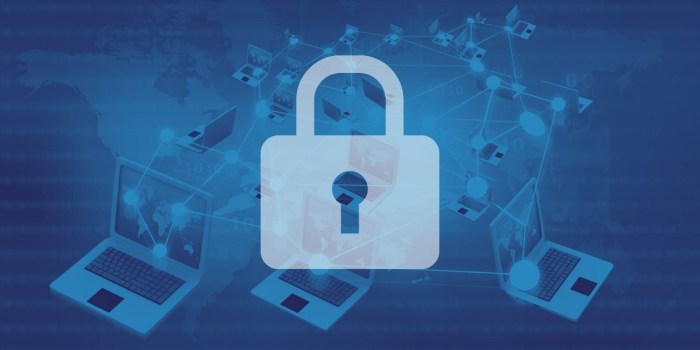
In today’s digital landscape, where cyber threats are increasingly sophisticated, businesses are turning to cloud-based endpoint security solutions to safeguard their networks and data. These solutions provide a robust framework for protecting devices connected to the corporate network, from employees’ laptops to mobile devices, against a myriad of vulnerabilities and attacks.
Cloud-based endpoint security solutions are designed to secure endpoints—devices that connect to the network—by providing protection from malware, ransomware, phishing attacks, and unauthorized access. They leverage cloud computing technologies to deliver comprehensive security measures that are easily scalable and manageable.
Major Features of Cloud-Based Endpoint Security Solutions
Understanding the key features of cloud-based endpoint security solutions is essential for organizations looking to enhance their cybersecurity posture. These features are integral to ensuring comprehensive protection across all endpoints. Key features include:
- Real-time Threat Detection: Utilizing advanced algorithms and machine learning, these solutions can detect and respond to threats as they occur, minimizing potential damage.
- Centralized Management: A single console allows administrators to manage security settings, updates, and policies across all devices, streamlining operations.
- Automatic Updates: Regular updates ensure that systems are protected against the latest threats without manual intervention, reducing the risk of vulnerabilities.
- Data Encryption: Sensitive data is encrypted both at rest and in transit, ensuring that even if intercepted, it remains unreadable to unauthorized users.
- Advanced Analytics: These solutions provide detailed reports and insights into security incidents, allowing organizations to analyze trends and improve their defenses.
- Integrations: Compatibility with other security tools and systems enables a layered security approach, enhancing overall protection.
Benefits of Cloud-Based Security Compared to Traditional Methods
The shift from traditional security methods to cloud-based solutions brings numerous advantages that can significantly bolster an organization’s security framework. The benefits include:
- Scalability: Cloud-based solutions can easily scale to accommodate the growing number of endpoints without the need for extensive hardware investments.
- Cost-Effectiveness: Many cloud solutions operate on a subscription model, offering lower upfront costs and predictable budgeting for organizations.
- Accessibility: Security management can be conducted from anywhere, enabling teams to respond quickly to incidents, regardless of their physical location.
- Reduced Maintenance: With cloud-based systems, the burden of maintaining hardware and software is lifted, as the service provider handles these responsibilities.
- Enhanced Collaboration: Teams can share threat intelligence and security insights more effectively, allowing for a more unified approach to security.
“Cloud-based endpoint security solutions represent a paradigm shift in how organizations can protect their digital assets, leveraging the power of the cloud for dynamic and responsive security measures.”
The advent of cloud-based endpoint security solutions marks a significant advancement in the fight against cyber threats. By leveraging innovative technologies and features, organizations can effectively secure their endpoints in an ever-evolving digital environment.
Key Components of Cloud-Based Endpoint Security
In the evolving digital landscape, the security of endpoints has become increasingly critical. Cloud-based endpoint security solutions are designed to protect devices and networks from a variety of threats by leveraging cloud computing technology. These solutions integrate various critical components that work together to ensure comprehensive security coverage.
Critical Technologies in Cloud-Based Endpoint Security
The effectiveness of cloud-based endpoint security solutions relies on several key technologies. Understanding these components is essential for organizations looking to enhance their security posture. The fundamental technologies include:
- Endpoint Detection and Response (EDR): EDR tools continuously monitor endpoint activities, detecting anomalies and potential threats in real-time. By leveraging machine learning and behavioral analytics, EDR solutions differentiate between normal and malicious activities.
- Threat Intelligence Integration: Integrating threat intelligence feeds allows security systems to stay updated with the latest threat data. This proactive approach helps organizations anticipate and mitigate potential risks before they materialize.
- Data Encryption: Encryption technologies safeguard sensitive data, ensuring that even if unauthorized access occurs, the data remains unreadable. This is paramount for protecting information both at rest and in transit.
- Cloud Access Security Brokers (CASB): These intermediaries enforce security policies for cloud applications, providing visibility and control over data access and usage, thereby reducing the risk of data breaches.
Integration with Existing Systems and Networks
Integrating cloud-based endpoint security solutions with existing IT infrastructure is crucial for maximizing their effectiveness. Organizations often face challenges when introducing new security measures. Here are some methods to facilitate seamless integration:
- API Integration: Utilizing Application Programming Interfaces (APIs) allows for the smooth connection between existing systems and new security solutions, ensuring data can flow freely while maintaining security protocols.
- Unified Endpoint Management (UEM): Implementing UEM solutions can centralize the management of endpoints, providing a single pane of glass to oversee both security and operational aspects of devices and applications.
- Cross-Platform Compatibility: Choosing solutions that support multiple operating systems and environments ensures that all endpoints, regardless of their platform, can be adequately protected.
- Regular Updates and Training: Ensuring that teams are trained on new security protocols and that systems are regularly updated helps maintain a secure and efficient operational environment.
Role of Threat Detection and Response
Threat detection and response capabilities are at the heart of cloud-based security platforms. These features provide organizations with the tools needed to identify and respond to threats promptly. The importance of these capabilities can be Artikeld as follows:
The ability to detect and respond to threats in real-time significantly reduces the potential damage from cyber incidents.
Effective threat detection mechanisms employ advanced analytics and machine learning to identify unusual patterns that may indicate a security breach. Organizations should focus on a few key aspects:
- Automated Response Systems: Automation in threat response can drastically reduce response times and minimize human error, allowing security teams to address threats swiftly and effectively.
- Incident Response Plans: Developing and regularly updating incident response plans ensures that everyone knows their role during a security event, facilitating a quicker and more organized response.
- Continuous Monitoring: Continuous monitoring of endpoints allows for the real-time assessment of security posture, ensuring that threats are detected as soon as they arise.
- Post-Incident Analysis: Evaluating the effectiveness of the response to incidents helps organizations learn from breaches, improving future security measures and protocols.
Implementation Strategies for Organizations
Implementing cloud-based endpoint security in a corporate environment is a critical step for organizations aiming to protect their digital assets. Effectively deploying this technology requires careful planning and adherence to best practices to ensure a seamless transition. The following discussion highlights key strategies, including best practices for deployment, evaluation and selection of providers, and a structured timeline for implementation.
Best Practices for Deploying Cloud-Based Endpoint Security
To maximize the effectiveness of cloud-based endpoint security, organizations should follow several best practices during deployment. These strategies not only enhance security posture but also streamline the integration process.
- Conduct a thorough risk assessment: Evaluating existing vulnerabilities and potential threats is essential in determining the appropriate level of security required.
- Engage all stakeholders: Collaborating with IT, security teams, and business leaders ensures that all perspectives are considered during implementation.
- Establish clear policies and procedures: Defining security protocols and incident response plans helps in maintaining consistency and accountability among employees.
- Utilize a phased rollout approach: Gradually implementing the solution allows for troubleshooting and fine-tuning before full deployment.
- Provide training and awareness programs: Ensuring that employees are educated on security practices and the importance of endpoint protection fosters a culture of security.
Evaluating and Choosing the Right Cloud-Based Endpoint Security Provider, Cloud based endpoint security solution
Selecting the right cloud-based endpoint security provider is crucial for aligning the technology with organizational needs. The evaluation process involves assessing several key factors.
To begin, organizations should focus on the following criteria when choosing a provider:
- Reputation and Experience: Research the provider’s track record in the industry, including client testimonials and case studies showcasing their capabilities.
- Compliance Standards: Ensure that the provider adheres to relevant regulations and standards applicable to the organization’s industry.
- Scalability and Flexibility: The solution should be able to adapt to the organization’s growth and evolving security threats.
- Support and Service Level Agreements (SLAs): Evaluate the quality of customer support and the guarantees provided in service agreements.
- Integration Capabilities: Ensure that the solution can easily integrate with existing IT infrastructure and tools.
Implementation Timeline Phases
A well-defined timeline is essential for coordinating the deployment of cloud-based endpoint security. This timeline can be broken down into three major phases: pre-deployment, deployment, and post-deployment.
The following Artikels the steps involved in each phase:
| Phase | Steps |
|---|---|
| Pre-deployment |
|
| Deployment |
|
| Post-deployment |
|
By following these implementation strategies, organizations can effectively deploy cloud-based endpoint security, significantly enhancing their overall security framework.
Challenges and Considerations: Cloud Based Endpoint Security Solution
Migrating to a cloud-based endpoint security solution presents numerous advantages, such as scalability and flexibility. However, organizations must navigate significant challenges and considerations to ensure a smooth transition. These challenges encompass technical hurdles, compliance issues, and cost implications that require careful planning and strategy.
Potential Challenges in Migration
Transitioning to a cloud-based endpoint security solution may pose several technical challenges. Organizations often grapple with data migration, integration with existing systems, and the potential for downtime during the transition. The complexity of existing IT environments can lead to increased risk of data loss or security breaches if not managed correctly. Moreover, employee training is crucial, as personnel must be equipped to handle new systems and practices.
The migration process requires a well-thought-out strategy to minimize disruptions and ensure data integrity.
Organizations should also be aware of vendor lock-in, a situation where they become overly dependent on a single cloud provider, making future migrations or integrations challenging. Evaluating multiple providers and establishing flexible contracts can mitigate this risk.
Compliance and Regulatory Considerations
Implementing cloud-based endpoint security solutions requires adherence to various compliance and regulatory frameworks. Organizations must ensure that their cloud provider complies with relevant regulations, such as GDPR, HIPAA, or PCI DSS, depending on the industry sector.
The importance of compliance cannot be overstated; failure to adhere to these regulations could result in severe penalties and damage to reputation. Regular audits and assessments should be conducted to verify that cloud services meet stipulated security standards.
Maintaining compliance is essential not just for legal reasons, but also for building trust with customers and stakeholders.
Additionally, organizations need to consider data residency issues, ensuring that sensitive data is stored in specific geographical locations to comply with local laws.
Cost Implications of Cloud-Based Solutions
Comparing cloud-based solutions to traditional security measures reveals varying cost implications. While initial investment for cloud solutions may be lower, organizations must consider ongoing subscription costs, which can accumulate over time. Traditional security systems often involve significant upfront hardware and software purchases, along with ongoing maintenance costs.
Organizations should analyze total cost of ownership (TCO) when evaluating their options. This includes not only the direct costs associated with implementation but also potential savings from increased efficiency and reduced downtime.
Understanding the complete financial landscape is crucial for making informed decisions regarding security investments.
Ultimately, the choice between cloud-based solutions and traditional measures should align with organizational goals, budget constraints, and security needs.
FAQ Insights
What is a cloud based endpoint security solution?
It is a security solution that protects endpoints such as laptops and mobile devices from cyber threats using cloud technology to deliver services and updates.
How does it differ from traditional security methods?
Unlike traditional methods that rely on on-premise software, cloud-based solutions offer real-time updates and scalability, providing better protection against evolving threats.
What are the key benefits of using cloud based endpoint security?
Key benefits include improved threat detection, reduced operational costs, scalability, and easier management compared to traditional solutions.
Are there compliance issues with cloud based endpoint security?
Yes, organizations must ensure that their cloud provider complies with relevant regulations and standards to protect data privacy and security.
What should organizations consider when choosing a provider?
Organizations should evaluate the provider’s security features, compliance certifications, customer support, and integration capabilities with existing systems.
When it comes to protecting your devices, investing in advanced malware removal software can be a game changer. This type of software not only detects complex malware but also efficiently removes it from your system, ensuring a safe digital environment. Pair it with a cloud based endpoint security solution for comprehensive protection across all your devices.
For those looking towards the future of online safety, the premium internet security suite 2026 promises advanced features tailored for evolving threats. With top-notch protection, you can browse confidently while knowing your data is secure. Don’t forget to explore the best paid antivirus subscription 2026 for an added layer of security!
Choosing an antivirus software with firewall included is essential for any user wanting a comprehensive defense strategy. It adds an extra layer of protection against intrusions while managing online threats effectively. If you use multiple devices, consider a multi device antivirus plan to keep all your gadgets secure without hassle.
The rise of remote work has made it vital to find the best antivirus for remote workers. Look for solutions that cater specifically to the unique challenges faced by remote employees, ensuring you remain protected no matter where you log in. Additionally, for small businesses, implementing cybersecurity software for small companies can effectively manage risks and safeguard valuable data.
To enhance your online privacy, consider an antivirus with VPN and identity protection. This combination not only shields you from malware but also masks your online activities from potential threats. To further bolster your defenses, investing in ransomware protection software for PC is crucial in today’s digital landscape.
If you’re unsure which antivirus to trust, leading options like Norton , McAfee , Bitdefender , Kaspersky , and Avast offer robust security solutions to meet various needs. Each brand provides unique features tailored to help you stay secure in an ever-evolving cyber landscape.