Best antivirus for e-commerce security is not just a catchy phrase; it’s a crucial aspect of running a successful online business. In a world where digital transactions are daily bread, having robust antivirus software in place can be the game-changer between a thriving e-commerce platform and a potential disaster. With hacks and malware lurking around every virtual corner, understanding the importance of these digital shields is essential for every e-commerce operator.
From safeguarding sensitive customer information to ensuring smooth online transactions, antivirus software plays a pivotal role in protecting e-commerce websites. With common threats like phishing and ransomware targeting online retailers, knowing how to select the right antivirus becomes a matter of survival in the competitive e-commerce landscape.
Importance of Antivirus in E-Commerce: Best Antivirus For E-commerce Security
In the rapidly evolving landscape of e-commerce, the safety and security of online transactions have never been more critical. With millions of consumers shopping online, the potential for cyber threats is alarmingly high. Antivirus software serves as a vital shield, protecting both businesses and customers from various cyber risks that could compromise sensitive information.
Antivirus programs play a crucial role in safeguarding e-commerce platforms by detecting and mitigating threats before they can cause harm. These software solutions continuously monitor systems for malicious activities, scanning for viruses, malware, and other vulnerabilities that could exploit online transactions. By implementing robust antivirus protection, e-commerce businesses can ensure secure payment gateways and protect customer data, fostering trust and reliability in their services.
Common Threats Facing E-Commerce Websites
Understanding the threats that e-commerce websites face is essential for implementing effective security measures. The following are some prevalent threats that can disrupt business operations and compromise customer safety:
- Malware Attacks: Malicious software such as ransomware can lock critical data and demand payment, severely disrupting e-commerce operations.
- Phishing Scams: Cybercriminals often use phishing techniques to trick customers into revealing personal information, putting sensitive data at risk.
- SQL Injection: Attackers can exploit vulnerabilities in a website’s database by injecting malicious SQL queries, potentially accessing confidential information.
- DDoS Attacks: Distributed Denial of Service attacks can overwhelm a website with traffic, leading to downtime and loss of revenue.
Each of these threats poses significant risks to e-commerce platforms. By employing comprehensive antivirus solutions, businesses can proactively defend against these potential attacks, ensuring smoother transactions and a safer shopping experience for customers.
“Investing in reliable antivirus software isn’t just an expense; it’s essential for building a secure online presence.”
Features to Look for in E-Commerce Antivirus Solutions
In the fast-paced world of e-commerce, ensuring the security of online transactions is paramount. An effective antivirus solution can be a game-changer, providing a safeguard against cyber threats that could compromise sensitive customer data and financial transactions. Here are essential features that such antivirus solutions should offer to bolster e-commerce security.
Key Features of Effective E-Commerce Antivirus Solutions, Best antivirus for e-commerce security
Choosing the right antivirus for your e-commerce platform involves evaluating specific features that address the unique vulnerabilities of online business operations. The following features are critical:
- Real-Time Protection: Antivirus solutions must offer real-time scanning and threat detection. This ensures that any malicious activity is identified and neutralized instantly, safeguarding customer transactions at all times.
- Automatic Updates: A robust antivirus system should automatically update its virus definitions and security protocols without requiring manual intervention. This feature ensures that the software is equipped to fend off the latest threats emerging from the ever-evolving cyber landscape.
- Firewall Protection: An integrated firewall provides an additional layer of defense by monitoring incoming and outgoing network traffic and blocking suspicious activities. This is crucial for preventing unauthorized access to sensitive data.
- Phishing Protection: Effective antivirus solutions should include anti-phishing tools that identify and block fraudulent websites designed to steal user credentials or personal information.
- Data Encryption: The best antivirus software protects sensitive data through encryption methods, making it unreadable to unauthorized users. This feature is essential for maintaining customer trust and compliance with data protection regulations.
- Multi-Device Compatibility: In today’s multi-device environment, antivirus solutions should be compatible with various operating systems and devices, ensuring comprehensive protection across all platforms used in e-commerce.
- Technical Support: Reliable technical support is vital for addressing any issues that may arise promptly. Look for antivirus providers that offer 24/7 customer service to ensure uninterrupted business operations.
“In e-commerce, the cost of a data breach can far exceed the investment in a reliable antivirus solution.”
Comparing antivirus options based on these features reveals significant differences in their capabilities. For example, while some antivirus programs may excel in real-time protection, others might fall short in automatic updates. Evaluating these features relative to your specific e-commerce needs ensures that you choose a solution that not only defends against threats but also aligns with your business model and infrastructure.
Top Antivirus Solutions for E-Commerce Security
In today’s digital marketplace, e-commerce platforms are prime targets for cybercriminals. This makes choosing the right antivirus solution crucial for safeguarding sensitive customer information and maintaining trust. Below, we explore some of the top antivirus software specifically designed to enhance e-commerce security, along with their features, pros, cons, and user feedback.
List of Best Antivirus Software for E-Commerce
When selecting an antivirus solution for your e-commerce site, it’s essential to consider various factors such as malware protection, real-time scanning, and usability. The following antivirus options are recognized for their robust features tailored to e-commerce needs.
- Bitdefender GravityZone
- McAfee Total Protection
- Norton 360
- Kaspersky Endpoint Security
- Trend Micro Worry-Free Business Security
Comparison Table of Antivirus Solutions
The following table provides a quick comparison of the leading antivirus solutions for e-commerce security, highlighting their advantages and disadvantages:
| Antivirus Software | Pros | Cons |
|---|---|---|
| Bitdefender GravityZone |
|
|
| McAfee Total Protection |
|
|
| Norton 360 |
|
|
| Kaspersky Endpoint Security |
|
|
| Trend Micro Worry-Free Business Security |
|
|
User Reviews and Ratings
User experiences play a crucial role in evaluating antivirus solutions. Here’s a brief overview of user reviews and ratings for the antivirus options listed:
– Bitdefender GravityZone: Rated 4.7/5 for its robust malware protection and ease of use, with users praising its high-level security and minimal impact on system performance.
– McAfee Total Protection: Averaging 4.5/5, users appreciate the comprehensive features but often mention resource consumption as a drawback, particularly on older systems.
– Norton 360: With a rating of 4.6/5, users highlight the excellent customer service and security features, though some express concerns over the cost.
– Kaspersky Endpoint Security: Rated 4.4/5, users commend its powerful malware protection but note the complexity of the interface for new users.
– Trend Micro Worry-Free Business Security: Users rate this solution at 4.3/5, appreciating its ease of use and effectiveness against ransomware, despite some limitations in advanced features.
These insights into user reviews further illuminate the strengths and weaknesses of each antivirus option, helping e-commerce businesses make informed decisions.
Best Practices for E-Commerce Security Beyond Antivirus

In the rapidly evolving landscape of e-commerce, relying solely on antivirus software is not sufficient to safeguard your business and customers. An effective security strategy encompasses a range of practices that work together to create a robust defense against cyber threats. Implementing these best practices can significantly reduce vulnerabilities and enhance the overall security posture of your e-commerce platform.
A comprehensive e-commerce security strategy includes various layers of protection beyond antivirus solutions. From securing payment gateways to employing regular security audits, these measures protect sensitive data and instill trust in customers. Below is a detailed checklist that e-commerce operators should consider integrating into their security protocols.
Security Practices Checklist for E-Commerce Operators
The following checklist highlights essential security practices that e-commerce operators must implement to strengthen their defenses:
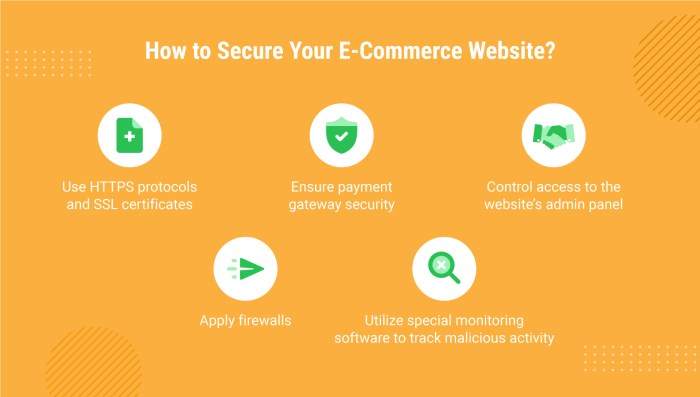
- SSL Certificates: Ensure that your website is equipped with an SSL certificate to encrypt data transmitted between users and the server, preventing interception by malicious actors.
- Regular Software Updates: Keep all website software, plugins, and applications up to date to protect against known vulnerabilities.
- Two-Factor Authentication (2FA): Implement 2FA for both administrators and customers to add an additional layer of verification during the login process.
- Secure Payment Gateways: Utilize reliable and secure payment gateways that comply with Payment Card Industry Data Security Standards (PCI DSS) to protect transaction data.
- Firewalls: Deploy web application firewalls (WAF) to monitor and control incoming and outgoing traffic based on predetermined security rules.
- Data Backup: Regularly back up all data to a secure location, ensuring quick recovery in the event of data loss or a breach.
- Regular Security Audits: Conduct routine security audits and vulnerability assessments to identify and rectify weaknesses in your security measures.
- User Education: Educate employees and customers about common security threats, such as phishing attacks, to foster a security-aware culture.
- Access Control: Implement strict access controls and permissions to limit employee access to sensitive data based on their job roles.
“A multi-layered security approach is the best defense against cyber threats, combining various strategies for optimal protection.”
The effectiveness of these practices can be illustrated through a flowchart that represents a multi-layered security approach for e-commerce sites. This visual representation emphasizes the interconnectedness of various security measures, showcasing how they work together to create a formidable defense.
The flowchart includes elements such as:
1. User Authentication: Starting with secure login procedures, including 2FA.
2. Data Encryption: Showcasing SSL and end-to-end encryption for transactions.
3. Payment Security: Highlighting secure payment gateways and PCI compliance checks.
4. Network Security: Featuring firewalls and intrusion detection/prevention systems.
5. Monitoring and Response: Illustrating continuous monitoring for threats and incident response protocols.
This comprehensive approach ensures that e-commerce platforms are not only protected by antivirus solutions but also fortified by a multitude of security measures that together create a resilient infrastructure against cyber threats.
Commonly Asked Questions
Why do e-commerce sites need antivirus software?
E-commerce sites need antivirus software to protect sensitive customer data and secure online transactions from malware, phishing, and other cyber threats.
What features are essential in antivirus for e-commerce?
Essential features include real-time protection, automatic updates, malware detection, and a user-friendly interface suitable for e-commerce needs.
Can antivirus software prevent all cyber threats?
No, antivirus software cannot prevent all cyber threats, but it significantly reduces the risk by detecting and neutralizing known malware.
How often should antivirus software be updated?
Antivirus software should be updated regularly, ideally automatically, to ensure protection against the latest threats and vulnerabilities.
Is it enough to rely solely on antivirus software for e-commerce security?
No, while antivirus is crucial, it should be part of a multi-layered security approach that includes best practices such as firewalls, secure payment gateways, and employee training.
Choosing the right security for your system is crucial, especially with options like antivirus software with firewall included that offers dual protection against threats. This software not only detects malware but also prevents unauthorized access, giving you peace of mind while browsing the internet.
If you’re concerned about your personal information being compromised, consider an antivirus software with dark web monitoring. This type of software alerts you if your data appears on the dark web, allowing you to take action before it’s too late.
For those who often find themselves targeted by cybercriminals, investing in ransomware protection software for PC can be a lifesaver. It specifically protects against ransomware attacks, ensuring your important files remain safe and accessible.
In today’s multi-device world, a multi device antivirus plan is essential. It covers all your devices under one subscription, making it easier to manage your security without breaking the bank.
As we look ahead, the best paid antivirus subscription 2026 is anticipated to provide enhanced features that cater to evolving cyber threats, ensuring optimal protection for users who prioritize their online safety.
For comprehensive protection, you might want to explore a premium internet security suite 2026. These suites often include advanced features such as identity theft protection and secure browsing tools to keep you safe online.
Buying software online has never been easier, especially with options like buy antivirus software online. You can compare features and prices from the comfort of your home, ensuring you select the best fit for your needs.
When handling financial transactions, using antivirus software for financial transactions is crucial. This specialized software adds an extra layer of security, protecting your sensitive information from potential threats.
For businesses, an enterprise endpoint protection solution is vital in safeguarding company data. It provides robust security measures tailored to protect multiple endpoints efficiently.
If you’re looking to enhance your security framework, consider a cloud based endpoint security solution. These solutions offer flexibility and scalability, ensuring your data is secure, no matter where your employees are working.
For well-known security options, Norton consistently ranks as a reliable choice with a strong reputation for malware protection. It’s a go-to for those who want trusted antivirus software.
Another popular choice is McAfee , known for its user-friendly interface and comprehensive protection plans that adapt to individual security needs.
For robust performance and innovative features, Bitdefender stands out, especially for users seeking advanced malware detection capabilities.
If you prioritize online privacy and security, check out Kaspersky. Its reputation for excellent threat detection makes it a worthy contender in the antivirus market.
Lastly, Avast offers a variety of plans catering to different users, ensuring that everyone can find a suitable fit for their security needs.