Small business cybersecurity software is more than just a protective measure; it’s a critical lifeline in today’s digital battlefield. With the rise of cyber threats, small businesses face significant risks that can jeopardize their data, finances, and reputation. Understanding the landscape of cybersecurity software is essential for safeguarding sensitive information and ensuring business continuity.
In this dynamic age where cyberattacks are increasing in frequency and sophistication, small businesses must arm themselves with effective cybersecurity solutions. From recognizing common threats to selecting the right software, the journey towards a secure digital environment starts here.
Importance of Cybersecurity Software for Small Businesses
In today’s digital landscape, cybersecurity has become a cornerstone of operational integrity for small businesses. With the rise of cyber threats, investing in cybersecurity software is not just an option but a necessity for safeguarding sensitive information and maintaining customer trust. Small enterprises, often seen as easy targets, must implement robust cybersecurity measures to protect their assets and ensure business continuity.
The significance of cybersecurity software cannot be overstated when it comes to protecting small business data. This software serves as a shield against a variety of threats, ensuring that confidential information—such as customer data, financial records, and proprietary information—is kept secure. In an era where data breaches can result in catastrophic financial and reputational damage, having the right tools in place is essential. Small businesses are particularly vulnerable due to limited resources and lack of expertise in managing cybersecurity, making comprehensive security solutions critical.
Consequences of Cyberattacks on Small Enterprises
Cyberattacks can lead to dire outcomes for small businesses, often resulting in irreversible damage. The repercussions can extend beyond immediate financial loss, affecting customer relationships and future growth.
The following highlights the grave consequences small businesses may face from a cyberattack:
-
Financial Loss:
Cyberattacks can lead to significant costs, including ransom payments, legal fees, and system recovery expenses.
-
Reputation Damage:
A data breach can erode customer trust, leading to lost clients and a tarnished brand image.
-
Operational Disruption:
Cyber incidents can disrupt business operations, causing delays and impacting service delivery.
-
Regulatory Penalties:
Non-compliance with data protection regulations can result in hefty fines and legal issues.
-
Intellectual Property Theft:
Threat actors may steal proprietary information, leading to a loss of competitive advantage.
Common Cybersecurity Threats Faced by Small Businesses
Small businesses encounter a myriad of cybersecurity threats that can compromise their data security. Understanding these threats is vital for implementing effective defenses.
Here are some of the most prevalent cybersecurity threats:
-
Phishing Attacks:
Fraudulent communications that deceive employees into disclosing sensitive information.
-
Ransomware:
Malicious software that encrypts data, demanding ransom for its release.
-
Malware:
Various forms of malicious software designed to gain unauthorized access or cause damage to computers and networks.
-
DDoS Attacks:
Distributed denial-of-service attacks that overwhelm systems, making them unavailable to legitimate users.
-
Insider Threats:
Risks posed by employees or contractors who may intentionally or unintentionally compromise security.
The ever-evolving landscape of cyber threats necessitates a proactive approach to cybersecurity for small businesses. By recognizing these risks and investing in robust cybersecurity software, small enterprises can not only protect their data but also enhance their resilience in the face of potential cyber threats.
Types of Cybersecurity Software Available: Small Business Cybersecurity Software
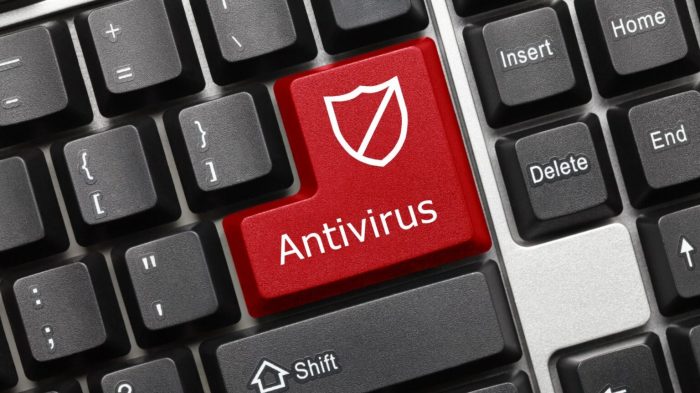
In today’s digital era, small businesses face an increasing number of cyber threats that can jeopardize their operations, data, and reputation. Investing in cybersecurity software is essential to protect sensitive information and maintain customer trust. Understanding the different types of cybersecurity software available can help small businesses choose the right solutions tailored to their unique needs.
Various cybersecurity software solutions cater specifically to small businesses, focusing on threat detection, prevention, and response. This section highlights prominent types of software that can fortify a small business’s cybersecurity posture.
Antivirus Software
Antivirus software serves as the first line of defense against malware, viruses, and other malicious threats. It continuously scans the system for known threats and provides real-time protection, which is crucial for small businesses that may not have the resources for extensive IT management.
Firewalls
Firewalls act as a barrier between a trusted internal network and untrusted external networks. They monitor incoming and outgoing traffic, blocking unauthorized access to sensitive information. Implementing a firewall is vital for safeguarding data and ensuring compliance with privacy regulations.
Intrusion Detection Systems (IDS)
Intrusion Detection Systems monitor network traffic for suspicious activity. By analyzing patterns and behaviors, IDS can identify potential breaches and alert administrators in real-time. This proactive approach allows small businesses to respond swiftly to threats and mitigate damage.
Cloud-Based vs. On-Premises Solutions
When selecting cybersecurity software, small businesses must choose between cloud-based and on-premises solutions. Cloud-based options offer flexibility and lower upfront costs, while on-premises solutions provide greater control and customization. Each has its advantages; understanding the differences can guide businesses in making informed decisions.
| Feature | Cloud-Based Solutions | On-Premises Solutions |
|---|---|---|
| Cost | Typically subscription-based, lower initial investment | Higher upfront costs for hardware and software |
| Scalability | Easily scalable as business needs grow | Limited scalability; may require additional hardware |
| Maintenance | Managed by the provider, less burden on internal resources | Requires in-house IT staff for maintenance and updates |
| Accessibility | Accessible from anywhere with an internet connection | Access generally limited to the local network |
Essential Features of Cybersecurity Software
When evaluating cybersecurity software, it is crucial for small businesses to look for specific features that ensure robust protection. These features enhance security measures and streamline management processes, allowing businesses to focus on their core operations.
- Real-time Threat Detection: Identifies threats as they happen, enabling immediate action.
- Regular Updates: Keeps software up-to-date with the latest threat intelligence and security patches.
- User-Friendly Interface: Simplifies navigation and management for non-technical users.
- Comprehensive Reporting: Provides insights into security incidents, helping businesses understand vulnerabilities.
- Multi-layered Protection: Combines various security measures, such as antivirus, firewall, and IDS, for maximum security.
- Data Backup and Recovery: Ensures that data can be restored in case of a breach or system failure.
Implementing Cybersecurity Software in Small Businesses
Implementing cybersecurity software is a crucial step for small businesses looking to protect their data and maintain customer trust. This process involves careful planning and execution to ensure that the chosen solutions fit seamlessly into the business’s existing framework. With the rising number of cyber threats, having a robust cybersecurity strategy is no longer a luxury but a necessity.
Effective implementation of cybersecurity software requires a systematic approach. Initially, businesses must assess their specific needs and vulnerabilities. Following this, the selection of appropriate software should be based on features, scalability, and budget. After selecting the software, a strategic deployment plan should be formulated, which includes configuring settings, integrating with existing systems, and running pilot tests. Finally, it is essential to monitor the system continuously and adjust as necessary.
Employee Training on Cybersecurity Measures
Training employees on cybersecurity measures is an integral part of successfully implementing cybersecurity software. Employees often serve as the first line of defense against cyber threats, making their training critical. Fostering a culture of security awareness and responsibility is essential.
An effective training program typically includes the following components:
- Regular Workshops: Conducting workshops that cover the basics of cybersecurity, such as password management, recognizing phishing attempts, and safe internet browsing practices.
- Simulated Attacks: Running simulations of phishing attacks or malware infections to help employees recognize and respond to threats in a controlled environment.
- Clear Policies: Providing a clear Artikel of the company’s cybersecurity policies, including guidelines for reporting suspicious activities.
- Ongoing Education: Implementing a continuous education program to keep employees updated on the latest threats and security trends.
Checklist for Ongoing Maintenance and Updates of Cybersecurity Software
To ensure that cybersecurity software remains effective, regular maintenance and updates are essential. A systematic checklist can help streamline this process and ensure that no critical steps are overlooked.
The following checklist Artikels essential maintenance tasks:
- Regular Software Updates: Check for and install software updates and patches to protect against newly discovered vulnerabilities.
- Backup Data: Schedule regular backups of critical data to secure locations, ensuring data integrity and recovery options in case of an attack.
- Monitor Security Logs: Review security logs to detect unusual activities or breaches, allowing for timely action to be taken.
- Conduct Vulnerability Assessments: Perform regular vulnerability assessments to identify and remediate potential weak points in the system.
- Review Access Controls: Regularly evaluate user access permissions to ensure that only authorized personnel have access to sensitive data.
- Engage in Security Audits: Conduct periodic security audits to evaluate the effectiveness of the cybersecurity measures in place.
Implementing these steps ensures that small businesses not only establish a strong cybersecurity foundation but also maintain it effectively over time. Proper training, ongoing maintenance, and updates create a resilient environment that safeguards the organization against evolving cyber threats.
Evaluating and Choosing Cybersecurity Software

Choosing the right cybersecurity software can be a daunting task for small businesses, especially with the multitude of options available in the market. The right software not only protects sensitive data but also ensures business continuity and builds customer trust. Given the evolving landscape of cyber threats, rigorous evaluation criteria are essential for selecting the most suitable solution for your needs.
When evaluating cybersecurity software, several critical criteria come into play. Understanding these factors can significantly enhance the decision-making process. Below are some essential criteria that small businesses should consider:
Criteria for Selecting Cybersecurity Software
It is important to be methodical when assessing various software options. Here are key criteria to guide your selection process:
- Ease of Use: The software should have an intuitive interface and straightforward setup process to minimize the learning curve for employees.
- Scalability: The chosen solution should be able to grow alongside your business, accommodating increasing data and user volumes without compromising performance.
- Cost-Effectiveness: Compare pricing models to find solutions that fit within your budget while providing essential features. Consider both initial costs and ongoing expenses.
- Comprehensive Protection: Look for software that offers a range of protection, including antivirus, anti-malware, firewall, and intrusion detection capabilities.
- Customer Support: Reliable customer service is crucial. Assess the availability of support channels such as live chat, phone, and email, along with the responsiveness of their support team.
- Reputation and Reviews: Investigate user feedback and expert reviews to gauge the effectiveness and reliability of the software. Check industry-specific forums and communities for insights.
- Compatibility: Ensure the software is compatible with your existing systems and infrastructure, including other software applications, operating systems, and hardware.
Comparison of Popular Cybersecurity Software Options, Small business cybersecurity software
A comparison table can effectively illustrate the differences between popular cybersecurity software solutions. Below is a brief overview of notable options in the market:
| Software | Key Features | Pricing | Best For |
|---|---|---|---|
| Norton Small Business | Real-time threat protection, device management, secure VPN | Starts at $99.99/year for up to 5 devices | Companies seeking comprehensive protection with easy management |
| McAfee Total Protection | Antivirus, internet security, identity theft protection | Starts at $59.99/year for 1 device | Businesses prioritizing identity protection and internet security |
| Kaspersky Small Office Security | Web filtering, password management, cloud backup | Starts at $350/year for 5 devices | SMBs looking for robust protection with cloud features |
| Bitdefender GravityZone | Endpoint protection, vulnerability assessment, patch management | Starts at $120/year for 5 devices | Organizations needing advanced threat detection and management |
Template for Assessing Cybersecurity Needs and Software Effectiveness
Creating a tailored assessment template can help small businesses evaluate their cybersecurity requirements and measure software performance effectively. Below is a simple template structure that can be utilized:
Cybersecurity Assessment Template
1. Business Needs Analysis:
– Identify sensitive data types (e.g., customer information, financial records).
– Determine regulatory requirements (e.g., GDPR, HIPAA).
2. Current Cybersecurity Posture:
– Existing software solutions in use.
– Current vulnerabilities and threats faced.
3. Software Evaluation Criteria:
– List potential cybersecurity software options based on previously Artikeld criteria.
– Note features relevant to your business needs.
4. Assessment of Effectiveness:
– Track software performance over a defined period (e.g., 3-6 months).
– Record incidents, customer feedback, and compliance with regulations.
5. Review and Update:
– Schedule regular reviews of cybersecurity software effectiveness.
– Adjust the cybersecurity strategy based on evolving threats and business growth.
This structured approach ensures that small businesses not only select appropriate cybersecurity software but also continuously assess its effectiveness to stay ahead of potential threats.
General Inquiries
What is small business cybersecurity software?
It refers to software specifically designed to protect small businesses from cyber threats by safeguarding their data and IT infrastructure.
Why do small businesses need cybersecurity software?
Small businesses often lack the resources to recover from cyberattacks, making cybersecurity software crucial for preventing data breaches and financial losses.
How do I choose the right cybersecurity software?
Consider factors such as the specific threats you face, budget constraints, and essential features like antivirus protection, firewalls, and ease of use.
Is cloud-based cybersecurity software better than on-premises?
It depends on your business needs; cloud-based solutions offer flexibility and automatic updates, while on-premises software provides direct control over data.
How often should I update my cybersecurity software?
Regular updates are essential; ideally, updates should occur at least once a month or whenever new threats are identified.
In today’s digital world, having reliable antivirus software with dark web monitoring is essential. This ensures that your sensitive information is safeguarded, especially against hidden threats lurking in the shadows of the internet. Protecting yourself from data breaches has never been more crucial!
If you’re on the hunt for top-notch security, the best paid antivirus subscription 2026 is the way to go. With many options available, investing in a robust antivirus can save you from potential cyber disasters, ensuring your online activities remain safe and secure.
For PC users, choosing the right ransomware protection software for PC is vital. This software not only shields your data from malicious attacks but also provides peace of mind as you navigate the online landscape, making your digital experience less stressful.
When looking for comprehensive protection, consider antivirus software with firewall included. This combination enhances your security, creating an extra layer of defense against intrusions and ensuring that your sensitive information stays out of the wrong hands.
Understanding business antivirus license pricing is crucial for small to medium enterprises looking to protect their data. With competitive pricing and tailored features, having the right antivirus solution can significantly enhance your company’s cybersecurity posture.
For those handling financial transactions, selecting the right antivirus software for financial transactions is paramount. This software not only protects your personal information but also facilitates secure payments, fostering trust during online dealings.
As we approach 2026, keeping an eye out for the premium internet security suite 2026 will be essential. These suites typically offer advanced features that cater to the evolving threats faced by users, ensuring robust protection for all your devices.
Small companies need reliable solutions, which is why cybersecurity software for small companies is vital. This software provides essential tools to safeguard your business against cyber threats, empowering you to focus more on growth and less on vulnerabilities.
Similarly, investing in small business cybersecurity software can make a significant difference. With tailored features designed for smaller operations, this software can help shield your business from threats while keeping costs manageable.
For Windows 11 users, it’s important to know the best antivirus software 2026 for Windows 11. Finding a solution that seamlessly integrates with your operating system ensures optimum performance and security, allowing you to enjoy your computing experience without fear.
One of the leading names in the antivirus market is Norton , known for its comprehensive protection features. This software has been a trusted companion for users looking to safeguard their digital lives effectively.
Another strong contender is McAfee , offering a suite of security solutions tailored for various user needs. With its user-friendly interface and effective protection, it remains a popular choice among consumers.
Looking for solid performance? Bitdefender is renowned for its advanced threat detection capabilities and robust security features, making it an excellent option for anyone serious about their online protection.
Don’t overlook Kaspersky , which is celebrated for its strong antivirus solutions. With a focus on user-friendly experiences and effective malware defense, it’s a favorite among many security-conscious users.
If you want a free option with premium features, Avast might be your go-to. Its extensive range of services helps users maintain security without breaking the bank.
Lastly, Trend Micro is another reputed name that emphasizes protection against ransomware and other threats, ensuring your online experience is as secure as possible.