Antivirus software for financial transactions is more than just a protective shield; it’s your digital bodyguard in a world where cyber threats lurk around every corner. With the rise of online banking and virtual payments, the importance of safeguarding your financial data cannot be overstated. In this digital age, where convenience meets vulnerability, understanding how antivirus solutions can protect your sensitive transactions is crucial.
As we delve into the essential role antivirus software plays, we’ll uncover the risks of navigating online banking without adequate protection and highlight the types of malware that specifically target financial information. Buckle up as we explore the features that make antivirus solutions effective and the best practices to ensure your transactions remain secure.
Importance of Antivirus Software in Financial Transactions
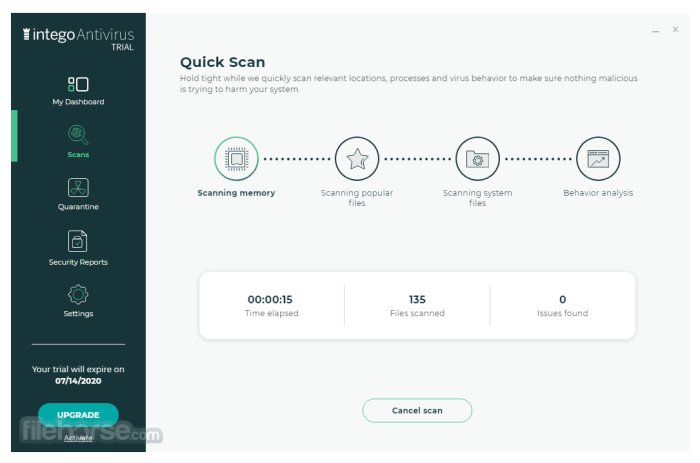
In today’s digital age, financial transactions are often conducted online, making them susceptible to a variety of cyber threats. The protection of sensitive financial data should be a primary concern for anyone engaging in online banking or e-commerce. Antivirus software plays a crucial role in safeguarding these transactions, ensuring that personal and financial information remains secure from malicious attacks.
Antivirus software serves as a frontline defense against various forms of malware, which can compromise your financial security. By detecting and neutralizing threats before they can cause harm, antivirus solutions help maintain the integrity of online transactions. Without such protection, individuals risk falling victim to malware specifically designed to steal financial information, leading to identity theft and significant financial losses.
Risks Associated with Online Banking Without Antivirus Protection
Engaging in online banking without the protection of antivirus software can expose users to numerous risks. Understanding these risks is essential for anyone who utilizes the internet for financial transactions. Below are some of the most prominent dangers:
- Data Theft: Cybercriminals often deploy keyloggers and spyware to capture sensitive information such as login credentials and credit card numbers.
- Phishing Attacks: Without antivirus protection, users may unknowingly interact with fraudulent websites designed to steal personal information.
- Ransomware: This type of malware encrypts your files and demands payment for the decryption key, potentially locking you out of your financial accounts.
- Unauthorized Transactions: Malware can manipulate your online banking sessions, allowing attackers to initiate transactions without your consent.
Examples of Malware Targeting Financial Data
Several types of malware specifically target financial data, and it’s crucial to be aware of their characteristics and behaviors. By understanding these threats, individuals can take proactive measures to protect themselves. Here are notable examples:
- Trojan Horses: These deceptive programs masquerade as legitimate software but can create backdoors for attackers to access sensitive financial information.
- Banking Trojans: Designed to steal banking credentials, these trojans often mimic legitimate banking apps or websites to trick users into providing personal data.
- Adware: While primarily known for generating unwanted ads, some adware can track browsing habits and capture financial information without the user’s knowledge.
- Spyware: This software operates silently in the background, capturing keystrokes and monitoring online activity to collect sensitive financial data.
“The average cost of a data breach in 2023 is estimated at $4.35 million, highlighting the financial impact of inadequate cybersecurity measures.”
Features of Effective Antivirus Software for Financial Security
In the digital age, the need for robust antivirus software is paramount, particularly when it comes to safeguarding financial transactions. Effective antivirus software acts as a shield, protecting sensitive information from cyber threats that can jeopardize your financial security. Understanding the key features that contribute to the efficacy of these tools is crucial for making informed decisions about your cybersecurity.
A well-equipped antivirus solution should incorporate several critical features tailored specifically for financial security. These features work synergistically to create a comprehensive defense against potential threats, ensuring that your online banking and financial transactions remain safe from prying eyes and malicious software.
Key Features of Antivirus Software for Financial Transactions
When evaluating antivirus software for its effectiveness in protecting financial transactions, consider the following essential features:
- Real-Time Protection: This feature continuously monitors your system for potential threats, instantly blocking any suspicious activities. Real-time protection is essential for identifying and neutralizing threats before they can compromise your financial data.
- Automatic Updates: Cyber threats are ever-evolving; thus, having antivirus software that automatically updates ensures you are always equipped with the latest security definitions. This minimizes vulnerabilities that could be exploited during online transactions.
- Phishing Protection: Effective antivirus solutions include tools that detect and block phishing attempts, which are common tactics used by cybercriminals to steal banking credentials. This feature helps prevent unwittingly providing sensitive information to fraudulent websites.
- Secure Online Banking Mode: Some antivirus programs offer a dedicated secure mode for online banking, which creates a virtual environment that isolates your banking activities from the rest of your computer, further enhancing security.
- Data Encryption: Advanced antivirus software may also provide data encryption features, which protect the information being transmitted during financial transactions, making it unreadable to unauthorized users during the transmission process.
Comparison of Antivirus Solutions Based on Banking Security
When it comes to selecting the best antivirus for financial protection, it is essential to compare various solutions based on their security features and effectiveness. Popular antivirus products like Norton, Bitdefender, and Kaspersky have been recognized for their robust banking security measures. Each solution offers a unique combination of features that cater to financial transaction safety.
| Antivirus Software | Real-Time Protection | Automatic Updates | Phishing Protection | Secure Banking Mode |
|---|---|---|---|---|
| Norton | Yes | Yes | Advanced | Yes |
| Bitdefender | Yes | Yes | Excellent | Yes |
| Kaspersky | Yes | Yes | Strong | Yes |
This comparison illustrates how leading antivirus software shares significant features while also showcasing their strengths in protecting against banking threats. Each product’s emphasis on real-time monitoring and automatic updates plays a crucial role in maintaining financial security.
Importance of Real-Time Protection and Automatic Updates
Real-time protection and automatic updates are indispensable features in antivirus software, especially for users engaged in online financial activities. Real-time protection serves as the first line of defense, continuously scanning for threats and blocking them instantly. This proactive approach minimizes the risk of infection and ensures that transactions remain secure.
Automatic updates are equally vital, as they keep the antivirus software equipped with the latest security patches and definitions. This feature addresses newly discovered vulnerabilities that cybercriminals might exploit, thereby reinforcing the overall integrity of financial transactions.
In a world where cyber threats are increasingly sophisticated, relying on antivirus software with these critical features is not just advisable; it is essential for anyone engaging in online banking and financial transactions.
Best Practices for Using Antivirus Software in Financial Transactions: Antivirus Software For Financial Transactions

In today’s digital landscape, safeguarding financial transactions is more critical than ever. Antivirus software plays a pivotal role in protecting sensitive information from cyber threats. However, simply installing antivirus software is not enough; careful configuration and complementary security practices are essential to ensure maximum protection for your financial activities.
Configuration Steps for Optimal Financial Protection
To maximize the effectiveness of your antivirus software, proper configuration is crucial. Follow these steps to ensure your antivirus is set up for optimal protection:
- Enable Real-Time Scanning: This feature continuously monitors your system for any potential threats, ensuring that malicious software is detected as soon as it tries to enter your device.
- Schedule Regular Scans: Set your antivirus to perform automatic scans at regular intervals to catch any threats that may have slipped through the cracks.
- Keep Software Updated: Regularly update your antivirus software to ensure it has the latest definitions and features to combat new threats.
- Configure Firewall Settings: Ensure that your firewall is enabled and configured to block unauthorized access to your network.
- Utilize Web Protection Features: Activate web protection tools that warn you of potentially dangerous websites and phishing attempts.
Combining Antivirus with Other Security Measures
While antivirus software is a strong defense, combining it with other security measures can significantly enhance your overall safety during financial transactions. Implement the following complementary strategies:
- Use a Password Manager: This tool generates and saves complex passwords, reducing the risk of password-related breaches.
- Enable Two-Factor Authentication (2FA): Add an extra layer of security by requiring a second form of verification when accessing financial accounts.
- Keep Your Operating System Updated: Regularly update your operating system to patch vulnerabilities that could be exploited by malware.
- Educate Yourself About Phishing: Being aware of common phishing tactics can help you avoid falling victim to scams.
- Regularly Review Bank Statements: Monitor your financial accounts frequently to identify any unauthorized transactions early.
Actions to Take if Financial Information is Compromised
In the unfortunate event that your financial information is compromised, follow these critical steps to mitigate damage and restore security:
- Immediately Change Passwords: Update passwords for all financial accounts and related services to prevent further access.
- Contact Financial Institutions: Notify banks and credit card companies to report the issue and take necessary actions to protect your accounts.
- Monitor Credit Reports: Regularly check your credit reports for signs of identity theft or unauthorized accounts.
- File a Fraud Alert: Place a fraud alert on your credit report to inform creditors of potential identity theft.
- Consider Identity Theft Protection Services: Enroll in services that monitor personal information and provide assistance if your identity is compromised.
Future Trends in Antivirus Software for Financial Transactions
As the digital landscape evolves, so too must the tools we use to protect our financial transactions. Antivirus software is no longer just a shield against traditional malware; it is adapting to the complexities of modern cyber threats. In the realm of financial transactions, where security is paramount, emerging technologies are paving the way for enhanced protection, ensuring that sensitive data remains safe from prying eyes and malicious actors.
Emerging Technologies Enhancing Financial Transaction Security, Antivirus software for financial transactions
The integration of cutting-edge technologies into antivirus software is set to redefine how we protect our financial transactions. Innovations such as machine learning and blockchain are becoming essential components of modern antivirus solutions. These technologies work synergistically to provide a fortified defense against evolving threats.
Key advancements include:
- Machine Learning: By using algorithms that analyze patterns in data, antivirus software can identify and mitigate potential threats in real-time, significantly reducing the risk of fraud during financial transactions.
- Behavioral Analysis: This technique monitors user behavior to detect anomalies that may indicate a security breach, allowing for immediate action before any damage occurs.
- Blockchain Technology: Implementing blockchain can ensure transparency and integrity in transactions, providing an immutable record that enhances the credibility of financial exchanges.
“The integration of machine learning with traditional antivirus protocols heralds a new era of financial security, where threats are identified before they can inflict damage.”
Artificial Intelligence in Antivirus Solutions
The role of artificial intelligence (AI) in antivirus software is becoming increasingly prominent, particularly in the financial sector. AI enhances the detection and response capabilities of antivirus solutions, making them more effective in identifying advanced threats that traditional methods may overlook.
AI-driven antivirus software can:
- Predict Threats: By analyzing vast amounts of data, AI can forecast potential attack vectors, allowing organizations to bolster their defenses proactively.
- Automate Responses: AI enables the automation of threat detection and response, minimizing human intervention and accelerating the remediation process during security incidents.
- Continuous Learning: These systems learn from each attack, evolving and adapting to new threats, which is crucial in the ever-changing landscape of cybersecurity.
Comparison of Traditional and Next-Generation Antivirus Solutions
When it comes to financial safety, the difference between traditional antivirus software and next-generation solutions is stark. Traditional antivirus programs primarily rely on signature-based detection methods, which may leave gaps in security as new threats emerge. In contrast, next-generation solutions combine multiple layers of defense, including AI and machine learning, to create a robust security framework.
The distinctions can be summarized as follows:
- Detection Methods: Traditional antivirus relies on known signatures, whereas next-gen software employs behavior-based and heuristic analysis to detect anomalies.
- Real-Time Protection: Next-generation solutions offer continuous, real-time monitoring, whereas traditional systems often perform scheduled scans.
- Adaptability: Next-gen antivirus can adapt to new threats through learning algorithms, making them better suited for the dynamic nature of cyber threats in financial transactions.
The shift toward next-generation antivirus solutions marks a critical advancement in the fight against cybercrime, particularly in the realm of financial transactions. The integration of these emerging technologies ensures that as the threat landscape evolves, our defenses become more sophisticated and resilient.
FAQ Corner
What is the primary function of antivirus software for financial transactions?
The primary function is to protect sensitive financial information from malware and cyber threats during online transactions.
How often should I update my antivirus software?
You should update your antivirus software regularly, ideally set to automatic updates, to ensure you have the latest security features and malware definitions.
Can antivirus software prevent all financial fraud?
No, while it significantly reduces risks, no solution can guarantee complete protection against all forms of financial fraud.
Is it safe to use public Wi-Fi for online banking with antivirus software?
While antivirus software adds a layer of protection, using public Wi-Fi for online banking is generally not recommended due to potential security vulnerabilities.
What should I do if I suspect my financial information has been compromised?
Immediately change your passwords, contact your bank, and run a complete malware scan with your antivirus software to identify any threats.
In today’s digital landscape, small businesses need reliable protection, which is where small business cybersecurity software comes in. This software not only safeguards sensitive data but also shields your business from potential cyber threats, ensuring you can focus on growth without worrying about security breaches.
For remote workers, staying safe online is crucial. Finding the best antivirus for remote workers can make a significant difference in protecting personal and company information while working from home or on the go, making it easier to maintain productivity without compromising security.
If you’re looking to enhance your digital security, you can easily buy antivirus software online that fits your needs. With just a few clicks, you can access various options that provide comprehensive protection against malware and other threats, ensuring your devices stay secure.
Choosing the right security solution is vital, and opting for antivirus software with firewall included can significantly enhance your system’s defenses. This combination not only protects against viruses but also serves as a barrier against unauthorized access, keeping your data safe.
In an age where identity theft is rampant, investing in an identity theft protection and antivirus bundle can provide peace of mind. This all-in-one solution ensures your personal information is safeguarded, allowing you to navigate the internet confidently.
Small businesses can face unique challenges in cybersecurity; thus, utilizing cybersecurity software for small companies is crucial. This tailored software helps protect assets and client information, ensuring that your business remains resilient against cyber threats.
For larger enterprises, finding an enterprise endpoint protection solution is essential. These systems offer comprehensive security across all endpoints, helping organizations effectively manage risk and stay ahead of potential cyber incidents.
If you’re looking for a long-term solution, explore the best paid antivirus subscription 2026. Investing in a reputable subscription can provide you with ongoing updates and support, ensuring your devices are consistently protected from emerging threats.
Combining security features is becoming increasingly popular, and an antivirus with VPN and identity protection offers a comprehensive approach to online safety. This ensures your browsing is private and your identity remains secure, allowing you to surf the web without worries.
As businesses increasingly rely on remote services, a cloud-based endpoint security solution can offer robust protection and flexibility. This modern approach allows companies to secure their data from various locations while maintaining ease of access for users.
When it comes to trusted antivirus solutions, Norton has established itself as a leader in the market, providing comprehensive security features that adapt to evolving threats. It’s a go-to choice for individuals and businesses alike looking to enhance their digital safety.
Another reliable option is McAfee , known for its robust security features and user-friendly interface. Its solutions cater to both personal and business needs, making it a popular choice for those seeking effective antivirus protection.
For advanced security, many turn to Bitdefender , which offers cutting-edge technology to combat the latest threats. Its comprehensive protection suite ensures your devices are secure against malware, ransomware, and more.
If you’re looking for strong antivirus solutions, consider Kaspersky. With a reputation for high-level security, it offers a variety of tools designed to protect users from a wide range of cyber threats.
Lastly, Avast provides an impressive free version along with its premium offerings, making it accessible for everyone. With features tailored for both individuals and businesses, it’s a strong contender in the antivirus market.