Business antivirus license pricing can often feel like a maze, but understanding it is crucial for safeguarding your company’s digital assets. With cyber threats lurking at every corner, investing in the right antivirus solutions isn’t just a choice; it’s a necessity for modern businesses.
This overview will guide you through the various factors influencing antivirus pricing, the types of licenses available, and how to budget effectively to keep your business secure. From assessing the cost-benefit ratio of licensed solutions versus free alternatives to exploring renewal strategies, we’ll ensure you’re well-equipped to make informed decisions.
Understanding Business Antivirus License Pricing
The landscape of cybersecurity is constantly evolving, and businesses must navigate various pricing structures for antivirus software to ensure they are adequately protected against threats. Choosing the right antivirus solution not only involves understanding the costs but also recognizing the factors that influence these prices.
Several factors significantly impact the pricing of business antivirus licenses, including the size of the organization, the number of endpoints requiring protection, the level of technical support included, and the specific features offered by the antivirus solution. Additionally, the type of deployment—whether cloud-based or on-premises—can also affect overall costs.
Factors Influencing Pricing
Understanding the various elements that drive antivirus pricing is crucial for businesses. Below are the key factors:
- Number of Devices: Generally, pricing is tiered based on the number of devices needing protection. More devices typically lead to greater discounts per license.
- Features Offered: Advanced features such as real-time scanning, data encryption, and web filtering can increase the cost of a license.
- Support and Maintenance: Premium support options, such as 24/7 technical assistance, often come at a higher price.
- Deployment Options: Cloud-based solutions may have a different pricing model compared to traditional on-premises installations.
- Licensing Duration: Discounts may be available for long-term commitments versus annual renewals.
Types of Antivirus Licenses, Business antivirus license pricing
Businesses can choose from various antivirus licensing models, each catering to different requirements and budgets. Here’s a breakdown of the main types:
- Perpetual Licenses: One-time purchases that allow businesses to use the software indefinitely, typically with optional annual maintenance fees.
- Subscription Licenses: Ongoing fees that may include updates and support, often available on a monthly or yearly basis.
- Site Licenses: Cover all devices within a specified location, providing a single pricing structure for multiple users.
- Volume Licenses: Discounts available for organizations that purchase a large number of licenses at once, often used by larger enterprises.
Pricing Models of Antivirus Software Providers
Different antivirus providers have various pricing models, which can cater to different business needs. Here’s a comparison of notable providers:
| Provider | License Type | Starting Price | Features Included |
|---|---|---|---|
| McAfee | Subscription | $30/device/year | Real-time scanning, firewall, VPN |
| Symantec | Perpetual | $40/device | Advanced threat protection, cloud backup |
| Kaspersky | Subscription | $25/device/year | Web filtering, ransomware protection |
| Bitdefender | Volume License | $20/device/year | Multi-layer ransomware protection, VPN |
“Investing in robust antivirus solutions is critical not just for compliance but for ensuring business continuity in an increasingly digital world.”
Cost-Benefit Analysis of Antivirus Licensing: Business Antivirus License Pricing
Investing in a robust antivirus solution is a critical decision for businesses looking to safeguard their digital assets. While free antivirus options may appear attractive, the advantages of licensed antivirus solutions often outweigh the initial costs. Businesses need to weigh the potential risks of inadequate protection against the comprehensive benefits that come with a licensed solution.
The cost of a business antivirus license is not merely an expense; it represents a vital investment in cybersecurity. Licensed antivirus software typically offers enhanced features such as real-time threat detection, regular updates, and customer support that free versions lack. These advantages can translate into significant savings by preventing data breaches and minimizing downtime.
Advantages of Licensed Antivirus Solutions
Licensed antivirus products deliver a suite of benefits that free alternatives simply cannot match. Below are some critical advantages:
- Comprehensive Protection: Licensed antivirus solutions provide advanced security features like malware removal, phishing protection, and firewall integration.
- Regular Updates: Subscribers receive automatic updates, ensuring they are protected against the latest threats almost instantly.
- Technical Support: Access to dedicated customer support can be crucial during a security incident, offering expert advice and assistance.
- Centralized Management: Businesses can manage multiple devices and users from a single dashboard, simplifying oversight and compliance.
Risks Associated with Free Antivirus Solutions
Choosing not to invest in a licensed antivirus solution may expose businesses to various risks, including:
- Increased Vulnerability: Free antivirus solutions often lack the robust features necessary to combat sophisticated cyber threats, leaving systems susceptible to attacks.
- Delayed Response to Threats: Free solutions may not receive timely updates, increasing the likelihood of breaches during new threat outbreaks.
- No Technical Support: In the event of a malware attack, businesses using free antivirus software often go without immediate professional help, prolonging recovery times.
- Data Loss: The inadequacy of free solutions can lead to severe data breaches, resulting in financial loss and reputational damage.
Comparison of Leading Antivirus Products for Businesses
To illuminate the cost-benefit analysis further, consider the comparison of three leading antivirus products specifically designed for businesses. The following table Artikels their features and costs:
| Product Name | Features | Cost (Annual License) |
|---|---|---|
| Norton Business | Real-time protection, advanced threat detection, cloud backup, 24/7 support. | $59.99 per device |
| McAfee Total Protection | Multi-device support, identity theft protection, VPN access, centralized management. | $99.99 for up to 10 devices |
| Bitdefender GravityZone | Network security, machine learning threat detection, firewall, endpoint protection. | $89.99 for 3 devices |
The evaluation of these products shows that while the costs may vary, the extensive features they offer provide a strong justification for the investment. Inadequate protection from free alternatives poses risks that can lead to higher costs related to breaches and recovery. Thus, businesses must consider investing in licensed antivirus solutions as a smart choice for maintaining cybersecurity.
Budgeting for Antivirus Solutions in Business
Creating a budget for antivirus solutions is a critical step for businesses aiming to safeguard their digital assets. A well-planned budget ensures that sufficient resources are allocated for effective cybersecurity measures while balancing other IT needs. Understanding how to navigate this budgeting process can prevent overspending and optimize resource allocation.
In the following sections, we will Artikel a step-by-step method to create a budget for purchasing antivirus licenses, identify common pitfalls businesses encounter, and share recommendations on how to effectively allocate resources between security software and other IT needs.
Step-by-Step Method to Create a Budget for Purchasing Antivirus Licenses
Developing a comprehensive budget for antivirus solutions involves several key steps. This structured approach helps ensure that all necessary factors are considered.
1. Assess Current Security Needs: Evaluate the current state of your business’s cybersecurity. Identify vulnerabilities and the types of threats your organization is most likely to face.
2. Determine User Count: Calculate the number of devices and users that will require antivirus protection, including endpoints, servers, and mobile devices.
3. Research Available Solutions: Investigate various antivirus solutions available in the market. Compare features, pricing, and user reviews to find the best fit for your business.
4. Estimate Total Costs: Consider not just the license fees, but also installation, maintenance, and potential upgrade costs. Factor in any additional security measures that may be needed.
5. Allocate Budget Over Time: Decide whether to make a one-time purchase or to opt for subscription-based models. Create a timeline for when budget allocations will occur.
6. Set Aside Contingency Funds: Allocate a portion of the budget for unexpected security incidents or additional needs that may arise during the year.
Common Pitfalls Businesses Face When Budgeting for Antivirus Solutions
Businesses often fall into specific traps when budgeting for antivirus solutions, leading to inadequate protection or overspending. Recognizing these pitfalls enables informed decision-making.
– Underestimating Risks: Many businesses fail to properly assess the potential threats they face, resulting in insufficient budgeting for adequate protection.
– Overlooking Hidden Costs: Hidden costs related to installation, training, and ongoing maintenance may not be initially apparent, leading to budget shortfalls.
– Neglecting Scalability: Focusing solely on current needs without considering future growth can result in solutions that quickly become inadequate or require costly upgrades.
– Inadequate Comparison of Options: Failing to thoroughly compare antivirus software options can lead to selecting a subpar solution that does not meet security requirements.
Recommendations on Effectively Allocating Resources Between Security Software and Other IT Needs
Balancing resources between antivirus solutions and other IT requirements is essential for a well-rounded approach to cybersecurity. Here are some recommendations for effective resource allocation.
– Prioritize Security in the IT Budget: Allocate a dedicated portion of the IT budget specifically for cybersecurity, ensuring that it is viewed as a fundamental business need rather than an optional expense.
– Conduct Regular Risk Assessments: Regularly assess the cybersecurity landscape and adjust the budget accordingly based on evolving threats and business needs.
– Integrate Security Training for Employees: Invest in employee training programs to promote awareness of cybersecurity best practices. This proactive measure can reduce reliance solely on software solutions.
– Leverage Multi-Layered Security Approaches: Utilize a combination of antivirus software, firewalls, and other security measures to create a robust defense system. This diversification can lead to more effective resource utilization.
– Monitor and Adjust Budget Allocations: Implement a system for ongoing review of the budget and resource allocations to adapt to new challenges and ensure that security remains a top priority.
By adopting these methods and avoiding common pitfalls, businesses can develop a strategic budget that not only protects their digital assets but also aligns with their overall IT strategy.
Renewal and Upgrade Strategies for Antivirus Licenses
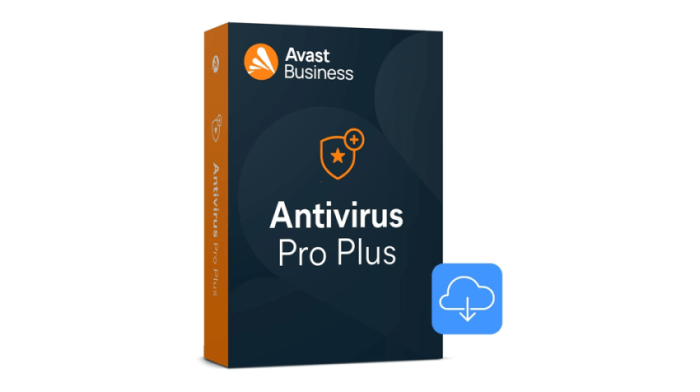
In the fast-paced world of cybersecurity, ensuring that your business has the right antivirus software is essential. The process of renewing and upgrading antivirus licenses is not just a formality; it is a critical strategy to maintain robust protection against evolving threats. By implementing effective renewal and upgrade strategies, businesses can stay ahead of potential security breaches and ensure their data remains secure.
Best Practices for Renewing Antivirus Licenses
To avoid lapses in protection, businesses should follow specific best practices when renewing their antivirus licenses. This proactive approach not only ensures uninterrupted protection but also enhances overall security posture.
- Set Reminders: Establish a reminder system that alerts the responsible team members well in advance of the license expiration date, allowing ample time to renew and avoid coverage gaps.
- Review Current Usage: Assess the current antivirus software’s performance and the number of licenses being utilized to determine if adjustments are needed for the renewal.
- Evaluate New Features: Check for any new features or improvements in the latest version of the antivirus software that could enhance security and efficiency for your business.
- Negotiate with Vendors: Use the renewal period as an opportunity to negotiate better terms or discounts with your antivirus provider.
Importance of Staying Updated with Latest Versions
Keeping antivirus software updated is paramount for protecting against the latest cyber threats. With new viruses and malware emerging daily, outdated software can leave businesses vulnerable to attacks.
“An updated antivirus is your first line of defense against evolving cyber threats.”
Regular updates not only patch security vulnerabilities but also improve the overall functionality of the software, ensuring optimal performance. Businesses should prioritize timely updates to safeguard sensitive data and maintain compliance with industry regulations.
Checklist for Evaluating Necessary Upgrades
When considering whether to upgrade antivirus solutions, businesses should conduct a thorough evaluation. A comprehensive checklist can facilitate this decision-making process, ensuring that all critical factors are considered.
- Performance Issues: Is the current antivirus solution struggling to keep up with the volume of data or the complexity of threats faced by the business?
- Feature Set: Are there new features available in updated software versions that would benefit your business, such as enhanced malware detection or better reporting tools?
- Compatibility: Is the existing software compatible with the latest operating systems and applications being used within the organization?
- Support and Maintenance: Does the current antivirus provider offer adequate support and regular maintenance, or are there limitations that hinder operational efficiency?
Q&A
What factors influence business antivirus license pricing?
Factors include the level of protection, number of devices covered, support services, and the software’s reputation.
Is investing in a licensed antivirus better than free options?
Yes, licensed antivirus typically offers more comprehensive protection, regular updates, and customer support, reducing risks significantly.
How often should businesses renew their antivirus licenses?
Businesses should renew their licenses annually to ensure continuous protection against evolving threats.
What are common pitfalls when budgeting for antivirus solutions?
Common pitfalls include underestimating costs, overlooking hidden fees, and neglecting to consider future scaling needs.
How can a business determine if an upgrade to their antivirus solution is necessary?
Businesses should evaluate their current protection levels, emerging threats, and whether the existing software meets their growing needs.
In today’s digital age, protecting your device from threats is crucial. The use of advanced malware removal software can help you effectively combat malicious software. This type of software not only identifies but also removes malware, ensuring a safer online experience. Pairing it with a cloud based endpoint security solution further enhances your protection, providing robust security across all devices.
For those involved in e-commerce, investing in the best antivirus for e-commerce security is essential. This software safeguards sensitive customer data, ensuring trust and safety for your online business. Similarly, remote workers should consider the best antivirus for remote workers to maintain security while working from various locations.
Looking ahead, the premium internet security suite 2026 promises to offer the latest in cybersecurity trends. Small businesses can benefit from targeted solutions like small business cybersecurity software , designed to protect their unique needs from potential threats.
For individuals concerned about ransomware, investing in ransomware protection software for PC is a smart move. This software helps recover your files in case of an attack. Moreover, enterprises should explore an enterprise endpoint protection solution to establish a fortified security structure across all company devices.
If you’re looking to buy antivirus software online , ensure that you choose a reliable provider. Reviews suggest that the best antivirus software 2026 for Windows 11 will keep your new system secure. Brands like Norton , McAfee , Bitdefender , Kaspersky , Avast , and Trend Micro are known for their effective solutions.